TicketSms: Scalability of a high-traffic international ticketing platform
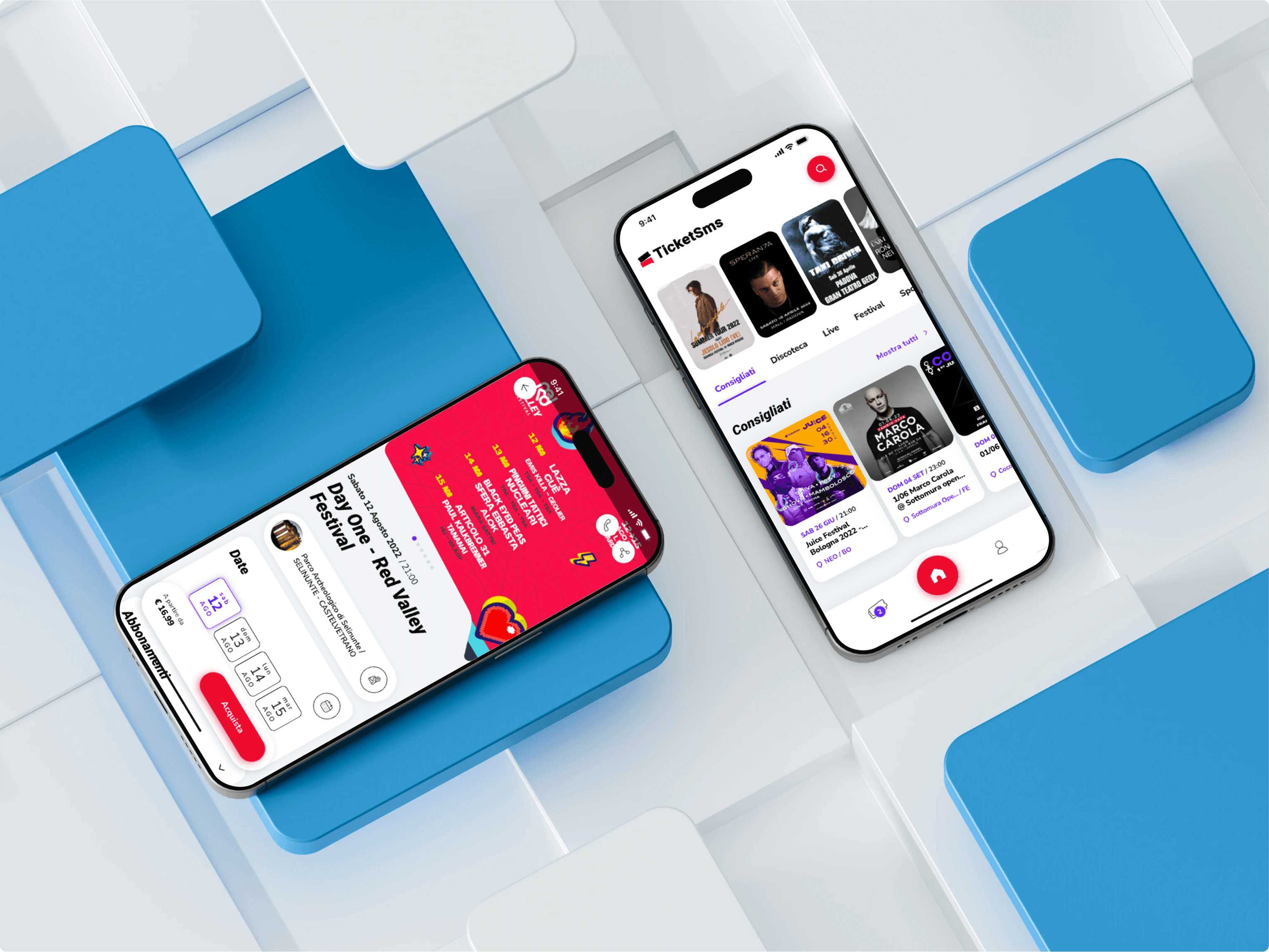
TicketSms is an online ticketing company operating on an international B2B and B2C user base, offering tools for both event organizers and final consumers. Its suite includes event management software, POS systems for physical ticket sales, B2C e-commerce, native applications, and other tools useful for creating and managing events of various kinds.
Since 2022, TicketSms has entrusted me with the optimization and management of its digital products, starting with the native mobile applications for iOS and Android.
The main objective of my intervention was to make complex information accessible and easily understandable, systematically improving the User Experience through a User-Centered Design approach.
Bologna, Italy
Online ticketing
€ 6.696.251 (2024)
The Challenge
The application already existed and was used by a consolidated user base. The problem was not creating a new product, but rethinking the existing one so that it would be more effective, coherent, and oriented toward both business objectives and user well-being.
The system handled enormous volumes but was losing users at the critical moment of payment. The challenge was not only aesthetic but also structural: reducing the abandonment rate in the checkout while respecting the technical constraints of the certification bodies and guaranteeing stability during massive pre-sales.
Audience & Tone of Voice
The TicketSms audience is heterogeneous: organizers, operational staff, and end users of different age groups. This required a careful balancing of the Tone of Voice.
A language that was too informal could have undermined the perception of the service's reliability, while an excessively formal approach would have created emotional distance. The solution was to adopt an accessible yet professional tone, extended not only to the copy and micro-copy but also to the look & feel of the interface and interactions.
The result is an interface:
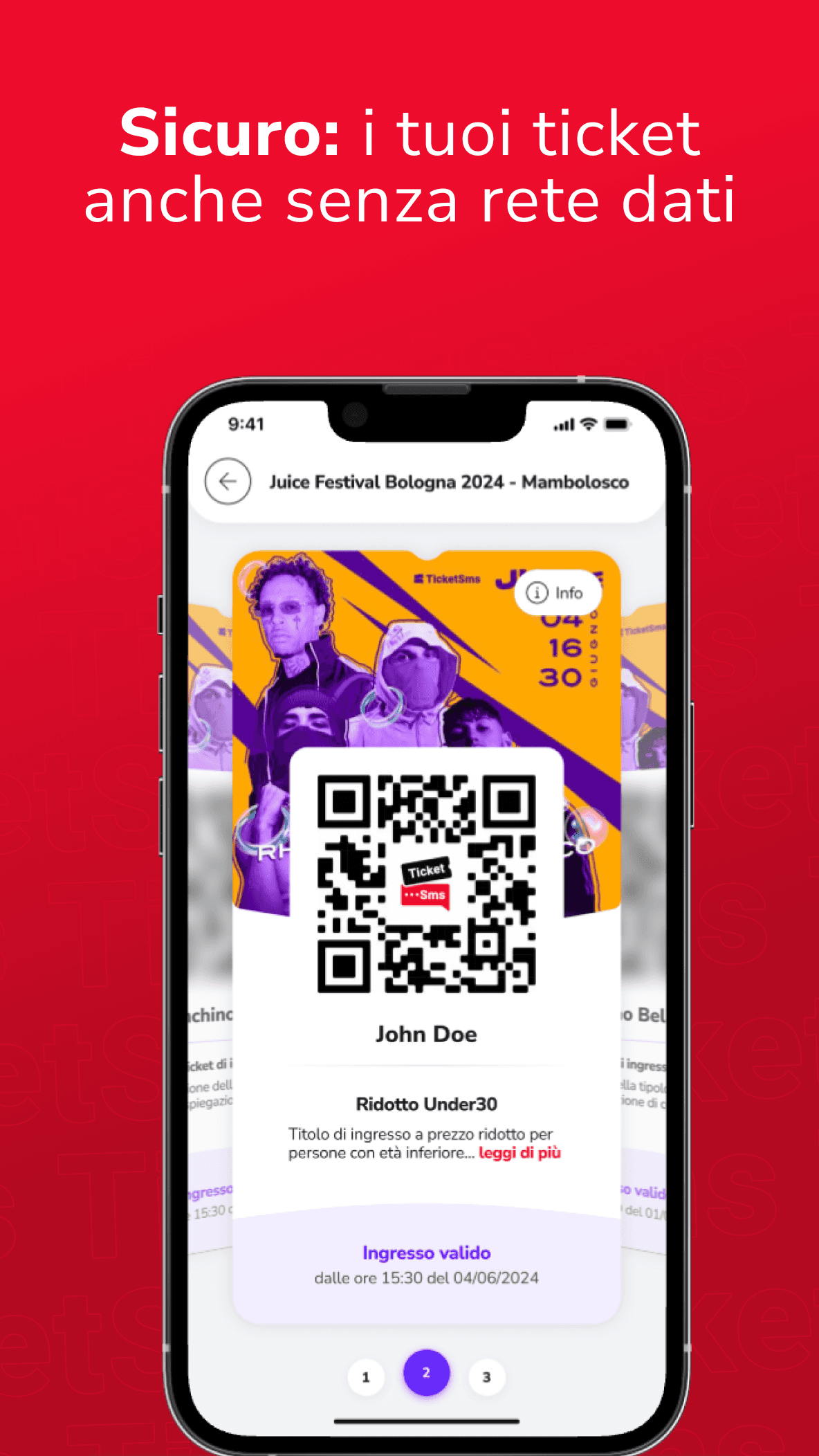
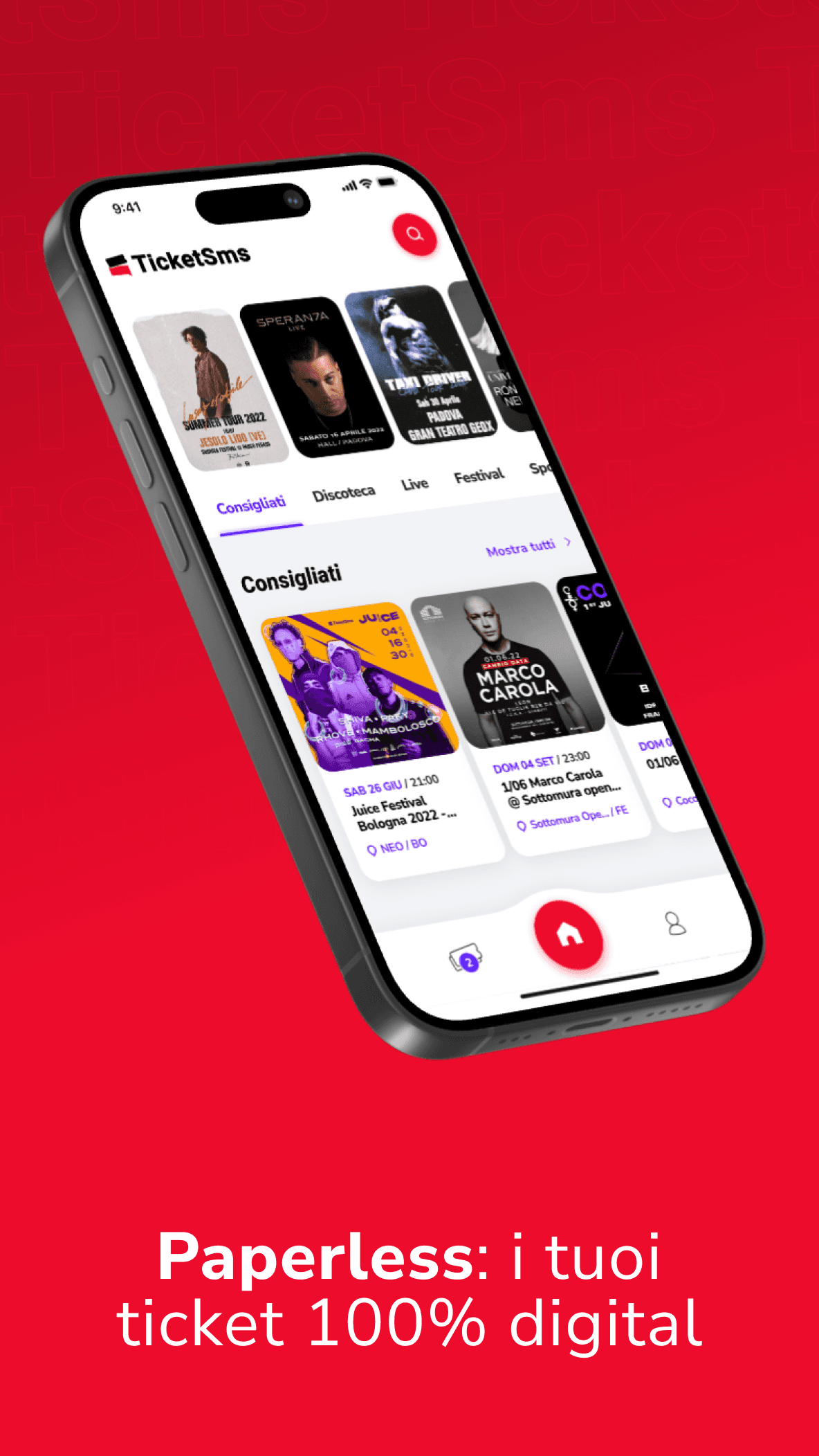
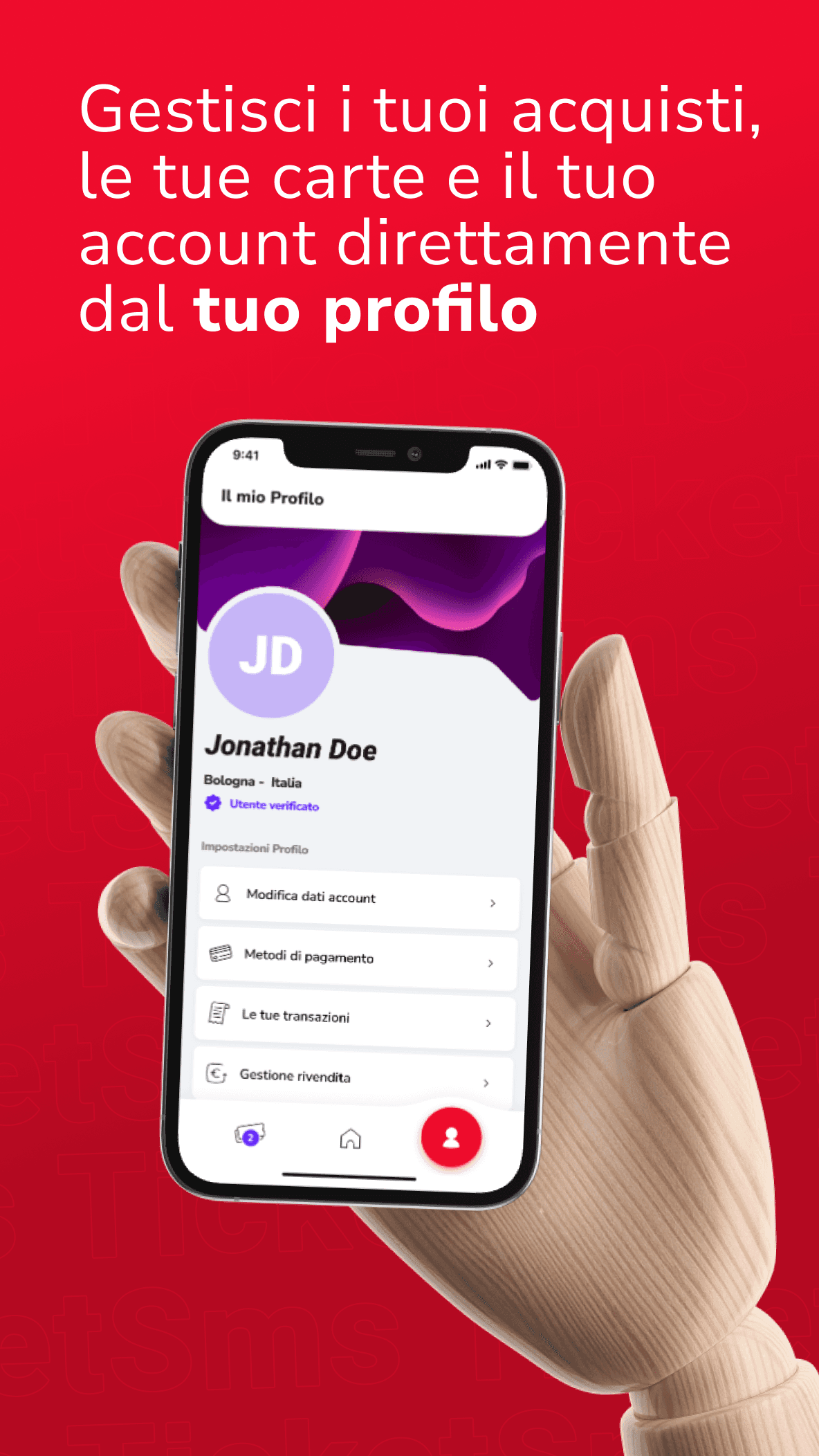
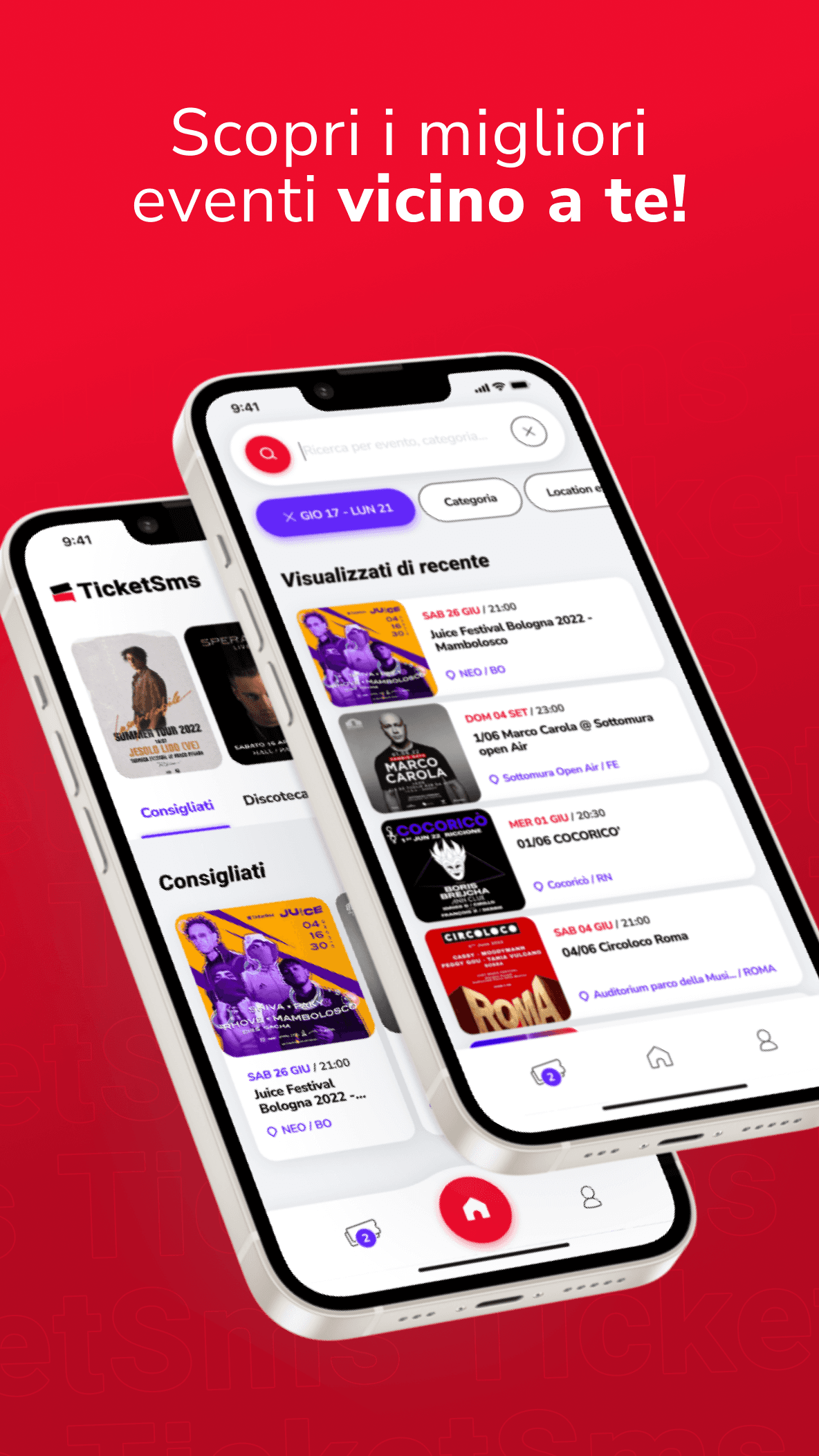
Colorful, fresh, and with an informal mood;
Minimalist in structure;
Focused on the task, avoiding superfluous decorations that could have distracted the user from the main goal.
Redesign impact
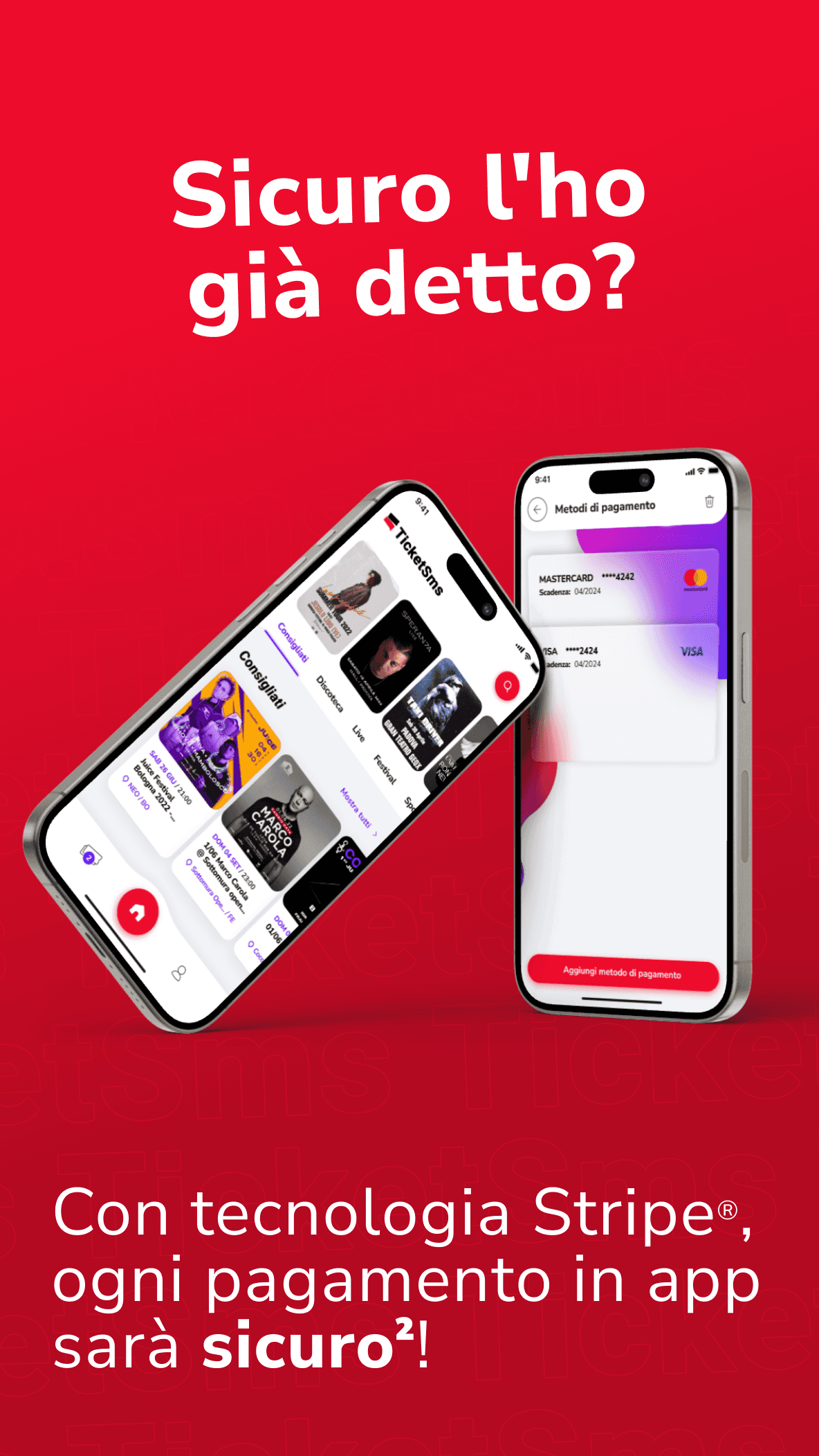
To support the qualitative improvements introduced with the redesign, data from digital stores also show positive signs in terms of product perception.
On the Apple App Store, the TicketSms app currently records an average rating of 4.7 out of 5 stars, based on over 2,300 reviews, a significant indicator both for volume and for rating stability over time.
This result suggests high satisfaction among iOS users, particularly regarding the clarity of the interface and the simplicity of the purchase flow, central elements of the restyling work.
On the Android front, the app has exceeded 100,000 installations on the Google Play Store, confirming a solid and continuous distribution, with an average rating of 4.6 out of 5 stars. Furthermore, the adoption trend indicates a constant growth in app usage on this platform as well, consistent with the results obtained on iOS.
Overall, the store data suggest that the redesign did not only have an aesthetic impact, but contributed to tangibly improving the perception of the product's reliability and quality.
My Design Process
Discovery & Strategy
Initial alignment & Stakeholder interviews
The work began with a series of discussions with TicketSms's internal stakeholders, useful for clarifying objectives, already known critical issues, and expectations for the product. This phase allowed for the definition of a clear perimeter and the construction of the first User Personas, used as a design reference.
Existing product analysis
The application was analyzed in depth to understand user flows, logic, and behaviors. The goal was to identify the main pain points along the User Journey and understand where the experience was less fluid or unclear.
Problem and opportunity definition
Based on the analysis, the main problems and opportunities for improvement were synthesized, beginning to outline possible design directions consistent with business objectives.
Architecture & Validation
Benchmarking and market analysis
An analysis of direct and indirect competitors was conducted to identify recurring patterns, industry best practices, and spaces for differentiation, without losing the product's identity.
Logical prototyping and technical validation
Based on the information gathered, low-fidelity wireframes were designed to redefine the information architecture and the main flows of the app, with an exclusive focus on User Experience.
I worked closely with the development team to ensure that every designed interaction was sustainable by the backend without slowing down the app's performance.
Review and validation with the team
Proposed flows and solutions were shared with the TicketSms team in an iterative review phase, ensuring consistency with initial goals and technical feasibility.
UI & Handoff
Style definition and UI design
Once the UX was consolidated, a styleboard was created to define the product's visual language. The approved style was then applied to the wireframes to create the final mockups.
Prototyping and development handoff
The mockups were transformed into a navigable prototype, used for internal testing and as a basis for the handoff to development.
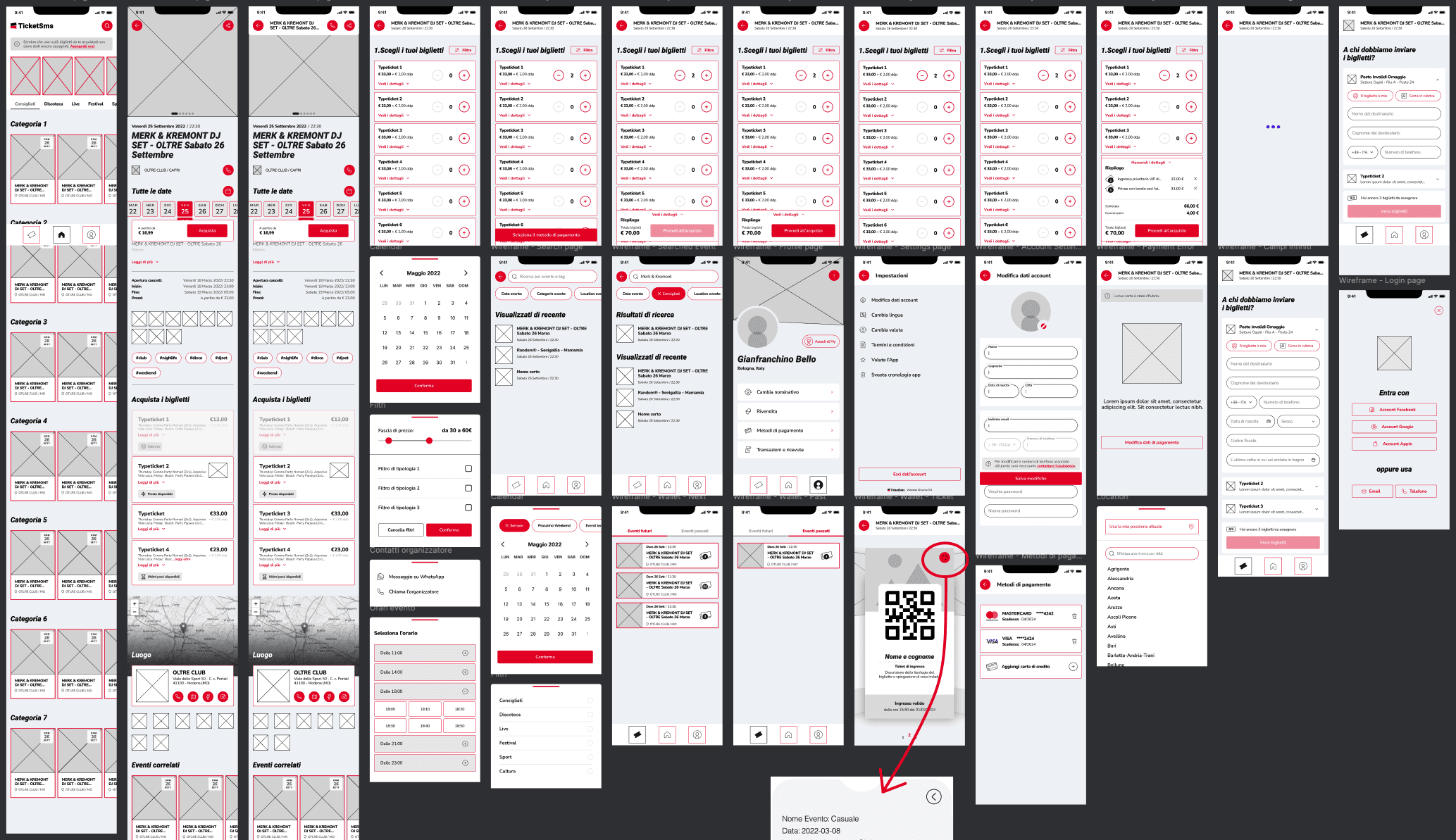
My wireframes are not just drawings; they are functional specifications ready for the dev team.
Focus on the checkout
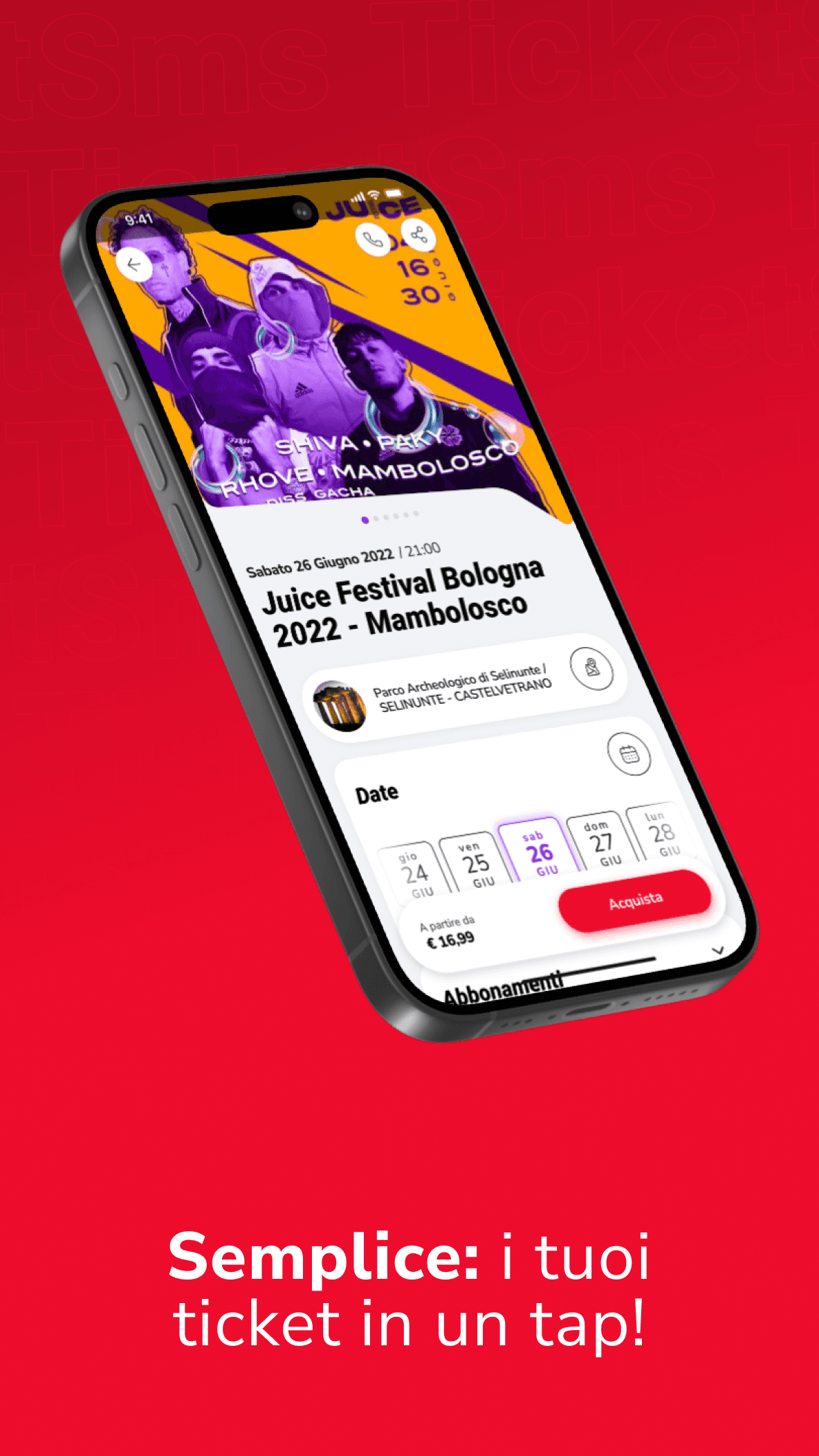
One of the key objectives of the restyling was to increase conversions into paying users. In particular, the checkout flow was revised, taking into account the stringent limitations imposed by event certification bodies.
We therefore redesigned the checkout, eliminating every distraction. The result? The abandonment rate was slashed and there was a direct increase in conversions. Working side-by-side with the testing team, we managed edge cases (network errors, declined cards) to prevent the user from feeling lost in the event of technical problems.
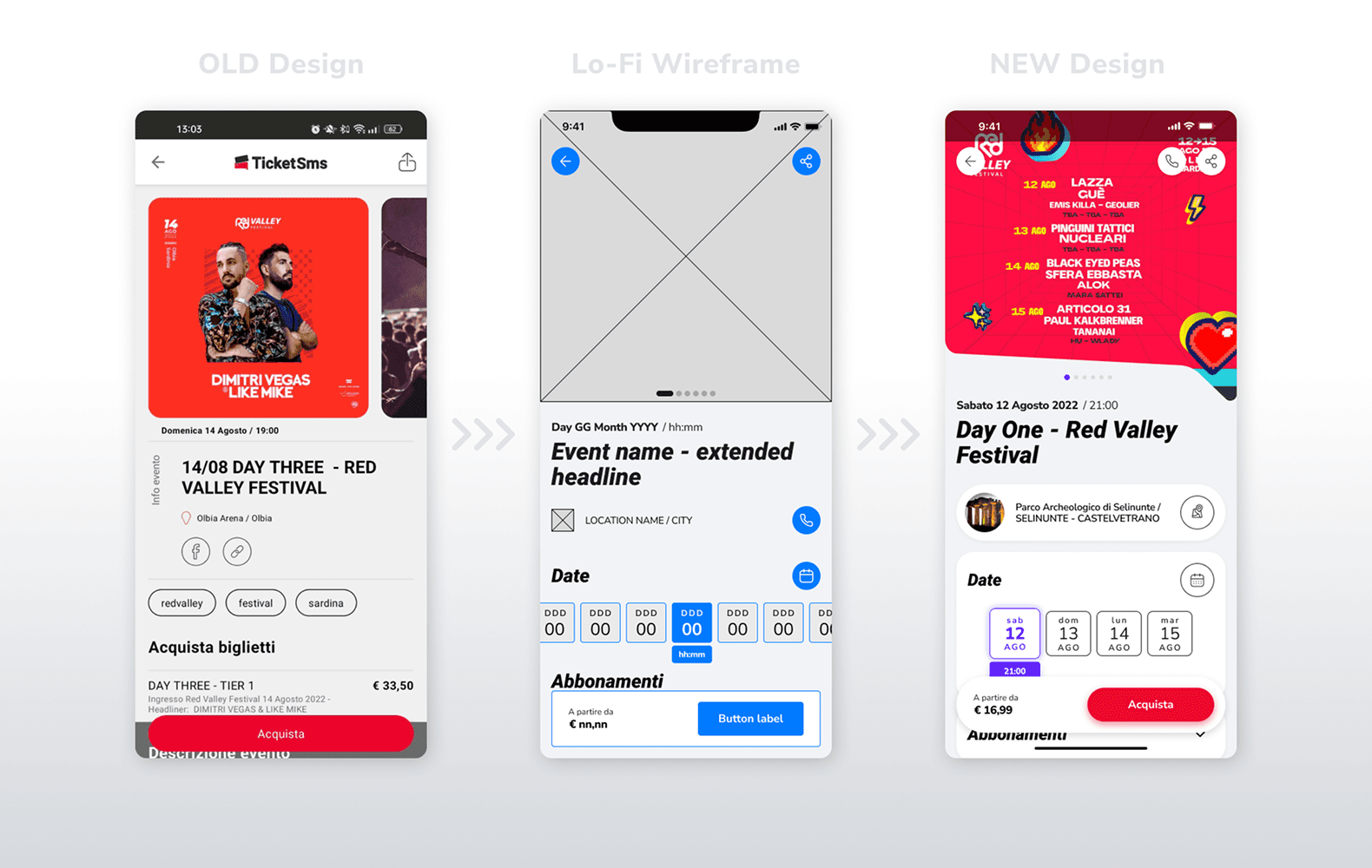
Comparison of the event page in the different project phases

TicketSms
Conclusions
After the release of the new design, the app recorded a tangible improvement in product performance and business indicators. The simplification of the flows and the greater clarity of the interface reduced friction in the main user tasks, particularly during the purchase phase, with a direct impact on checkout effectiveness.
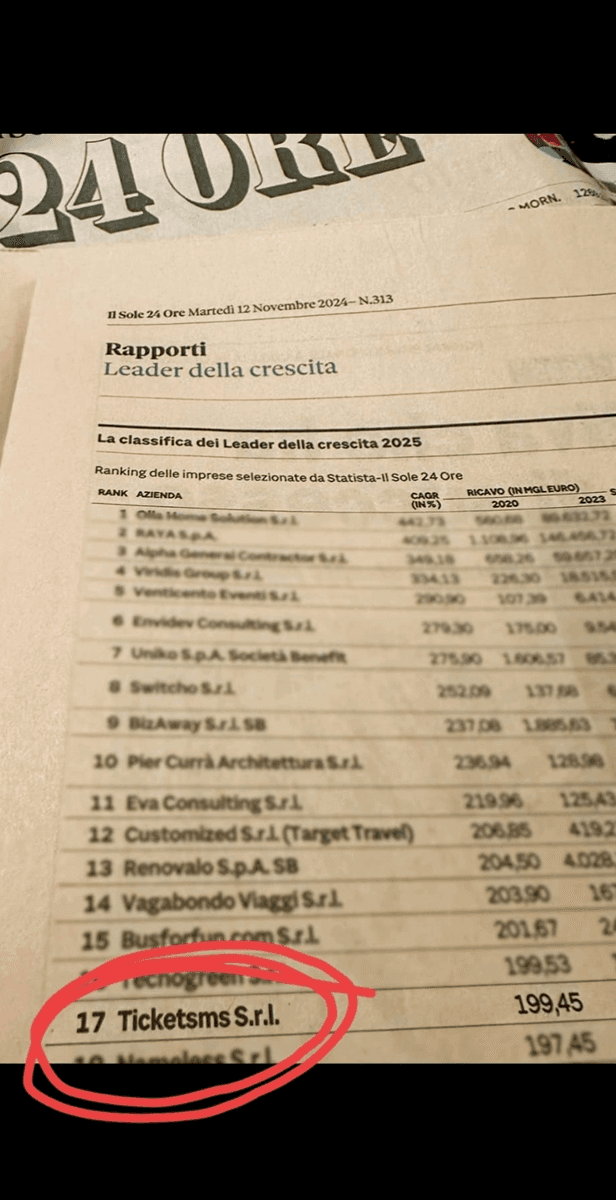
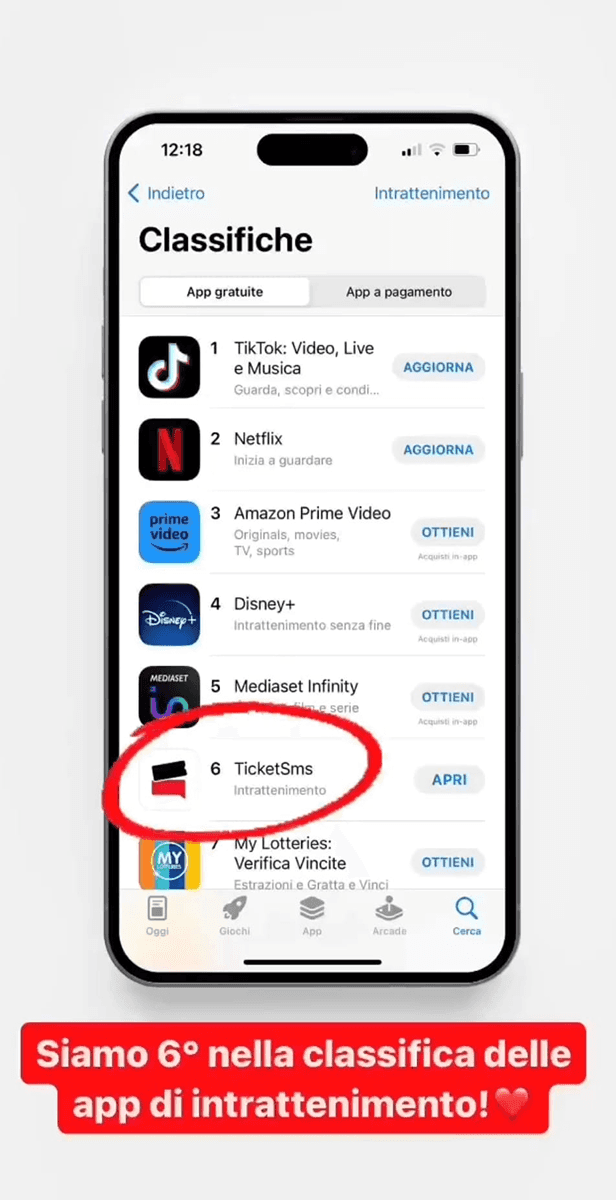
In terms of perception and adoption, the redesign contributed to an increase in engagement and product trust, reflected in significant growth in installations and conversions. These results led the app to reach sixth position among the most downloaded entertainment apps on the App Store, and TicketSms to enter the Top 20 Growth Leaders 2025, with a growth rate of 199.45% in the three-year period 2020–2023.